
One record per customer, and everything attached to it
Every order, invoice, payment and note in one place, built from what actually happened rather than typed in afterwards. You can see who buys most, who pays late, and who has quietly stopped coming back.
- Built from real trading
- Unlimited customers
- Statements in one click
Included in every account · No per-user charge
Lifetime value
₦4.2m
Most businesses know their customers, until they need it written down
The relationship is real, but it lives in a chat thread, a phone contact and somebody's memory. That works until the person is away, the balance is disputed, or you want to know which customers are worth keeping.
A history nobody had to write
Orders, invoices, payments, part payments and refunds attach themselves to the customer as they happen. The record is a consequence of trading rather than a form somebody was supposed to fill in.
Know who you are dealing with
Lifetime value, average days to pay, open balance and what they usually buy, on one screen. Useful before you extend terms, not after you have written off the invoice.
Find the ones that matter
Cut the list by spend, by how long since they last bought, by outstanding balance or by what they buy. The quiet customer worth chasing is findable rather than remembered.
The record builds itself while you trade
Bring your customers in
Upload a list, or let records build up on their own the first time somebody buys, pays or is invoiced.
Trade as normal
Counter sales, store orders, invoices and payment links all identify the customer, so the record grows without anyone maintaining it.
See the whole relationship
One screen with everything: what they have bought, what they owe, how quickly they pay and what was agreed.
Act on it
Send a statement, set their price tier, chase a balance or pull the list of customers who have gone quiet.
The list is only useful if you can cut it
A thousand customer names is a phone book. What you actually need is the twelve trade accounts on terms, the customers who bought three times and stopped, and the ones sitting on a balance older than sixty days.
- Segments built from live orders and payments
- Lapsed customers surfaced with what they used to be worth
- Trade accounts separated from walk-in retail
Ada Okonkwo Textiles
Customer since 2024
Lifetime
₦4.2m
Open balance
₦0
Avg. days to pay
6
Activity
Paid INV-2841
Today
₦198,000
Order #1043 delivered
12 Aug
Invoice raised
04 Aug
₦198,000
Decide terms on evidence, not on how the conversation feels
Extending credit is a judgement, and the information that should inform it usually lives in somebody's head. Average days to pay, current exposure and payment history sit on the record, so the decision is the same whoever makes it.
- Credit limit and current exposure per customer
- Average days to pay, calculated from real settlements
- Statements you can send without assembling them
Segments
Live
Trade accounts
30 day terms
128
Repeat retail
3+ orders
914
Lapsed, 90 days
worth ₦1.8m
76
Built from live orders and payments, not a list someone maintains
What changes when the customer has a record
The usual way
- Customer details spread across chat threads and a phone contact list
- What they owe worked out by scrolling through invoices
- Terms agreed verbally and remembered differently by two people
- Lapsed customers noticed only when revenue dips
- The relationship living in one staff member's head
With Niimbu
- One record the whole team works from
- Balance and ageing shown on the customer, always current
- Terms and credit limits recorded and enforced
- A list of who has gone quiet, and what they used to spend
- The history stays when the staff member leaves
What sits on a customer record
One record per customer
Contact details, addresses, tax details and the people who buy on their behalf.
Full transaction history
Every order, invoice, payment, part payment, refund and credit note in one timeline.
Credit limits and terms
Set terms per customer and see current exposure against the limit.
Price tiers
Trade and retail pricing applied automatically by who the customer is.
Statements of account
One document covering everything outstanding, ready to send.
Notes and agreements
What was promised, by whom, recorded against the customer rather than in a chat.
Segments and lists
Cut by spend, recency, balance or product without exporting anything.
Duplicate merging
Two records for the same customer become one, with the history preserved.
Contacts per business
Several buyers under one trade account, each recognised at checkout.
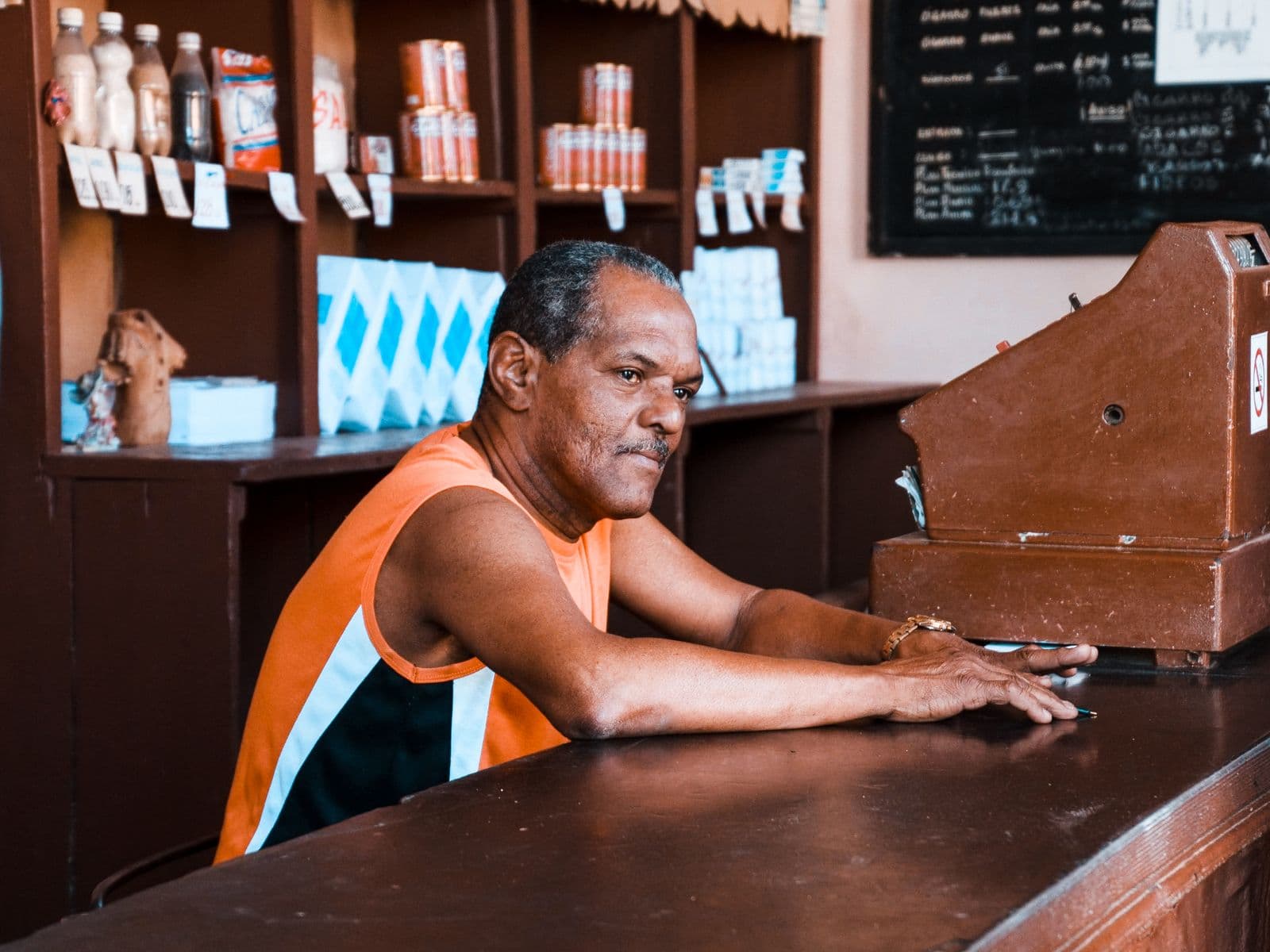
A relationship that lives in one person's phone is not an asset of the business.
It is an asset of that person, and it leaves when they do. The point of a customer record is that the history, the terms and what was promised stay where the business can reach them.
Wherever the same people come back
Distribution and wholesale
Trade accounts on terms, with exposure and ageing visible before the next order ships.
Professional services
Client history across engagements, so scope and billing conversations start from a record.
Beauty and wellness
Know who is due back, what they had last time and who has stopped booking.
Schools and education
One record per family, with fees, part payments and balances in one place.
Real estate and property
Tenants and buyers with their own history, payments and documents attached.
CRM software
See how Niimbu compares with running customers out of a contact list.
No cap on customers, no charge per user
Customer records are part of the account rather than a tier you upgrade into. Hold as many as you trade with, and give every staff member their own login without the price moving.
- Unlimited customer records
- Unlimited staff accounts
- Volume rates as collection grows
Frequently asked questions
Is this a CRM?
It covers what a small business actually needs from one: a single record per customer with the full trading history, balances, terms and notes. It is not a sales pipeline tool for enterprise teams. The difference is that this record is built from real orders and payments rather than typed in by whoever remembers to update it.
How does a customer record get created?
Either you import a list, or the record is created the first time someone buys, is invoiced or pays. Payments through links, the store and the counter are matched to an existing customer where possible, so you are not left with a duplicate for every channel.
Can two people at the same company buy under one account?
Yes. A trade account can have several contacts, each recognised at checkout, while the balance, terms and statement stay at the account level. This is the normal case for wholesale and it breaks most simple contact lists.
Can I set different prices for different customers?
Yes. Price tiers are set on the customer and applied automatically wherever they buy, so a trade customer sees trade pricing at the counter and on their invoice without anybody remembering to apply a discount.
How do I see what a customer owes?
The open balance sits on their record, broken down by invoice and by age. You can send a statement of account directly from there without assembling it from separate invoices first.
Can I find customers who have stopped buying?
Yes. Segments can be cut by how long since the last order, so the customers who used to buy monthly and have gone quiet are a list rather than a hunch. It is usually the cheapest revenue available to a business.
What happens to customer history when a staff member leaves?
It stays. That is much of the point. Where the relationship lives in one person's phone, it walks out with them. Here the record, the notes and the agreements remain with the business.
Does managing customers cost extra?
No. It is part of the same account, with no cap on how many customers you hold and no per-user charge for the staff who work with them.
More from Manage
Your books, customers, inventory and staff share one set of records. Every tool here feeds the same ledger.
The simpler way to scale your business!
Start free and see it working today, or talk to us about pricing for teams and higher volumes.