
A dedicated account number for every customer
Stop reading transfer descriptions to work out who paid. Issue an account number per customer, per branch or per invoice, and every transfer arrives attached to the record it belongs to, posted within seconds of clearing.
- Issue in bulk
- Matched on arrival
- One settlement account
Free to issue · Unlimited accounts · Notifications in seconds

Matched on arrival
₦320,000
Chidera Stores · 3 seconds
Accounts issued
412
Most reconciliation work exists because payments arrive anonymous
A transfer into a single account tells you an amount and a time. Everything else, who sent it and what it was for, has to be inferred. Give each payer their own number and that inference disappears, along with the job built around it.
Identity built into the payment
The account number is the identifier. Because the customer transfers to a number that belongs only to them, the payment carries their name whether or not they type a reference.
Separate what needs separating
One number per outlet, per project, per agent or per contribution. What used to need a mental note now has its own line in the record, with its own running total.
Confirmation in seconds
You are notified the moment a transfer lands and the record updates immediately. Nobody has to wait until close of day to know whether goods can be released.
Issue once, and it keeps working
Nothing changes for your customer. They transfer from the app they already use, to a number they can save.
Issue the account
Create a number against a customer, a branch, a project or a single invoice. It takes one action, or one upload for a whole customer list.
Share it once
Put it on the invoice, in the customer's file, on the receipt or in your chat. It does not expire unless you decide it should.
The customer transfers
They pay from whatever app they already use, at whatever time suits them. No portal to log into and nothing to learn.
It posts itself
The payment arrives tagged to the record, clears the balance it belongs to, and appears in your books without a manual entry.
The narration problem, solved before it starts
Reading a transfer description to work out who paid is guesswork dressed up as a process. It fails on abbreviations, on payments made by a third party, and on any customer who pays two invoices at once. Giving the payment its own address removes the guess entirely.
- Payments identified by the account, not by the description
- Third-party payers still land on the right customer
- Two invoices, two numbers, two clean matches
Accounts
412 issued
Issued account numbers
AUTO-MATCH ONChidera Stores
8021 4417 09
Lekki branch
8021 4418 22
INV-2841
8104 2291 07
₦320,000 received
Chidera Stores, posted to their ledger in 3 seconds
Issue one, or issue ten thousand
A handful of trade customers can be set up by hand. A school with two thousand pupils, a cooperative with monthly contributions or a distributor with agents in six states cannot. Bulk issuing turns a customer list into a set of accounts in one pass.
- Upload a customer list and issue in bulk
- Name each account so it is recognisable on a statement
- Close, pause or reassign an account without losing its history
Incoming
Live
Without issued accounts
TRF/FRM/ADAOKON/0917 ...
Which customer? Which invoice? Ask someone.
With an issued account
Ada Okonkwo Textiles
₦198,000
Posted to INV-2841, balance cleared
3 sec
Typical time from transfer to posted record
100%
Of payments arrive already identified
Unlimited
Accounts you can issue
1 upload
To issue for an entire customer list
What you can do with an issued account
Permanent customer accounts
A number that belongs to one customer for as long as they trade with you.
Per-invoice accounts
A one-off number tied to a single invoice, so the match is exact even for a new customer.
Bulk issuing
Turn a whole customer list into named accounts in a single upload.
Branch and outlet accounts
Takings by location without anyone tagging a transfer after the fact.
Named accounts
The account carries a name your customer recognises when they save it.
Instant notifications
Alerts and webhooks the moment a payment lands, so goods are not held unnecessarily.
A ledger per account
Every account keeps its own history, so a customer statement is a query, not a rebuild.
Limits and expiry
Cap the amount an account accepts, or set it to close after the payment you expect.
One settlement account
Every issued account settles into the same balance, so funds are not scattered.
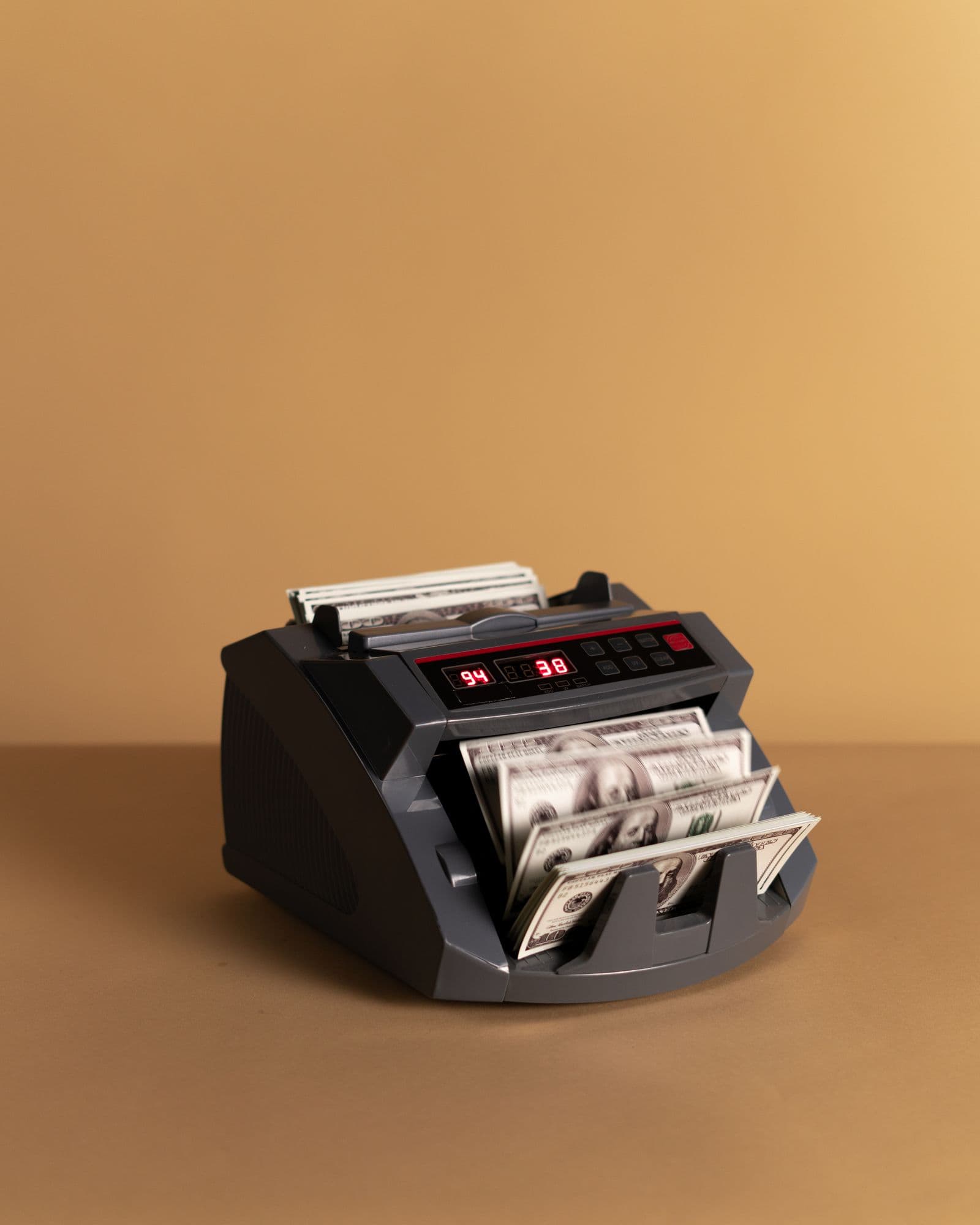
Reconciliation is not work. It is the cost of payments arriving anonymous.
Give each payer their own number and the identification happens at the moment of payment, which means the job built around identifying them afterwards simply stops existing.
Anywhere the same people pay you more than once
Recurring payers are where issued accounts earn their keep, because the number is set up once and works forever after.
Distribution and wholesale
Every trade customer pays to their own number, so their ledger is always current before the next order.
Schools and education
One number per pupil turns term fees into a list that reconciles itself, including part payments.
Cooperatives and associations
Monthly contributions post to the right member without a treasurer matching names to amounts.
Real estate and property
Rent and service charges per unit, so arrears are visible per tenant rather than in aggregate.
Logistics and haulage
Per-client accounts across depots, with settlement visible by route and by customer.
Multi-branch businesses
Takings by outlet, compared side by side, without a single manual tag.
Issuing costs nothing. Collection is priced per transaction.
Create as many accounts as your customer list needs at no charge. You are charged only when money actually arrives, at the same rate whether the payment is ten thousand naira or ten million.
- No charge to issue or hold an account
- One settlement account behind all of them
- Volume rates as collection grows
Frequently asked questions
What is a dedicated account number?
It is an account number issued for one specific purpose: one customer, one branch, one project or one invoice. Because nothing else pays into it, any transfer that arrives can only belong to that record, so Niimbu posts it there automatically instead of asking someone to identify it.
How is this different from just using one account for everything?
With a single account, every payment arrives in the same place and someone has to work out who sent it, usually from a transfer description that may be abbreviated or wrong. With dedicated accounts the identification happens at the moment of payment, so there is nothing to work out afterwards.
How many accounts can I issue?
There is no cap. Businesses issue a handful for major trade customers, or thousands in one upload for a school roll or a membership list. Issuing an account does not cost anything on its own.
What happens if someone else pays on my customer's behalf?
The payment still lands on the correct customer, because the account number determines the match rather than the sender's name. This is the case that breaks narration matching most often, and it is the main reason businesses move to issued accounts.
Can I issue an account for a single invoice?
Yes. Every invoice raised in Niimbu can carry its own one-off number. It is the cleanest option for a new customer or a one-time sale, because the payment can only mean that invoice, and the account can be set to close once it settles.
How quickly does a payment appear?
Usually within a few seconds of the transfer clearing. You can be notified by alert or by webhook, which is what businesses use to release goods or confirm a booking without waiting for someone to check manually.
Where does the money actually go?
Every issued account settles into your single Niimbu account, so funds are not scattered across hundreds of separate balances. Each issued account keeps its own history for reporting, while the money itself lands in one place ready to be paid out or spent.
Can I issue accounts from my own product?
Yes. Account Issuing API does the same thing programmatically, which is what platforms and marketplaces use to give each of their own users an account number. It is part of the Embed range.
The rest of Get Paid
Collection works best when the channels share one set of records. Each of these feeds the same customer, invoice and account history.
The simpler way to scale your business!
Start free and see it working today, or talk to us about pricing for teams and higher volumes.